
Private sessions from your location
Online Couple Counselling with Emocare
Access professional support online from India or overseas through a confidential appointment.
Clear the Past · Structure the Present · Empower the Future

Why clients choose Emocare
Professional Support Built Around the Individual
Emocare combines assessment-led counselling, practical therapeutic methods and convenient access through three Chennai centres and confidential online sessions.
Confirmed couple-counselling formats
Session Structure and Fees
Confirm the professional, appointment time, session mode, suitability and applicable fee before making payment.
Both Partners Attend
₹3,499.00 · Two-hour structured session: 30 minutes with one partner, 30 minutes with the other partner and one hour together.
Only One Partner Attends
₹1,499.00 · One-hour individual relationship-guidance session.
Before payment: Emocare must confirm the session format and appointment.
Please read before payment
Couple Counselling Terms & Conditions
Counselling is a process of healing. Please attend with a genuine intention to heal, communicate respectfully and participate honestly in the agreed session format.
Heal Yourself… Heal Others… Payment indicates that the client has had an opportunity to review the applicable terms, informed-consent information and appointment policy.
Counselling Session Payment
Complete payment only after Emocare confirms the counsellor, online appointment time and applicable fee.
Couple Counselling
2-hour structured session
- 30 minutes with one partner
- 30 minutes with the other partner
- One hour with both partners
If only one partner attends: ₹1,499.00
1-hour session for individual relationship guidance.
Choose a Payment Method
GPay mobile number: +91 99621 63122
Pay Securely Through Razorpay →Send Payment Screenshot on WhatsApp →Before paying: Confirm the counsellor, online appointment time and fee with Emocare. After payment, send the payment screenshot and your confirmed appointment details through WhatsApp.
Request a Counselling Appointment
Choose your preferred date and time for an online counselling session. Emocare will confirm the available counsellor and appointment slot through WhatsApp.
Review the Fee
Check the online session fee and duration.
Request a Slot
Choose a preferred date and time for an online session.
Wait for Confirmation
Emocare confirms availability before you make payment.
Confidential online access
Attend from a private and convenient location
Online sessions may suit adults, students and working professionals who prefer remote support. Use a private room, reliable connection and a device with audio and video.
Online counselling is not an emergency service and may not suit immediate safety concerns or situations requiring direct medical assessment.
When counselling may be helpful
Professional relationship support for communication breakdown, repeated conflict, trust concerns, emotional distance, intimacy difficulties and important decisions about the future.
Repeated conflict
The same arguments return without resolution, repair or a safer way to discuss differences.
Communication breakdown
Conversations involve criticism, defensiveness, withdrawal, shutdown or feeling unheard.
Trust concerns
Past hurt, secrecy, betrayal or uncertainty makes emotional safety difficult to rebuild.
Emotional or physical distance
Affection, connection, companionship or intimacy has reduced and the relationship feels disconnected.
Family, parenting or financial strain
Differences involving children, in-laws, roles, money or responsibilities repeatedly create distress.
Relationship decisions
One or both partners need clarity about rebuilding, boundaries, separation or the next stage of the relationship.
How counselling may help
Support is personalised after understanding the concern, its duration, impact, safety needs and individual goals.
Individual and joint understanding
Hear each person’s perspective and identify shared goals without automatically taking sides.
Conflict-cycle awareness
Recognise triggers and repeated interaction patterns before they escalate.
Communication practice
Develop listening, validation, clear requests, boundaries and constructive problem-solving.
Trust and repair planning
Discuss accountability, transparency and realistic steps when both partners choose to rebuild.
Decision support
Clarify values, needs and options without forcing reconciliation or separation.
Safety and referral
Screen for violence, coercion, serious mental-health concerns and needs requiring individual or specialist care.
Helpful guide
A Practical Guide to Couple Counselling
Relationship distress can involve repeated conflict, emotional distance, trust concerns, communication breakdown, intimacy difficulties, parenting disagreements or uncertainty about the future. Couple counselling provides a structured space to understand patterns and consider safer, more workable choices. It does not guarantee reconciliation and should not be used to pressure either partner to remain in a relationship.
Understanding the relationship pattern
A couple may argue about different topics while repeating the same underlying cycle. One partner may criticise or pursue answers while the other becomes defensive, withdraws or shuts down. Stress, family expectations, finances, parenting, work, health, sexual concerns, past hurts and different communication styles can intensify the cycle. The first task is to understand what happens before, during and after conflict without automatically assigning one person as the problem.
Assessment includes each partner’s goals, willingness, strengths, relationship history, previous attempts to resolve the concern and any individual mental-health or substance-use issues affecting the relationship. Safety must be considered separately. Fear, threats, stalking, coercive control, physical or sexual violence and immediate danger require careful individual assessment and may make ordinary joint sessions inappropriate.
Building communication, trust and realistic decisions
Sessions may help partners slow escalation, listen accurately, express needs without attack, set boundaries and make specific requests. Depending on assessment, the professional may use communication training, CBT-informed work, emotion-focused concepts, Transactional Analysis, problem-solving, mindfulness or family-systems ideas. Techniques are adapted to the couple rather than applied as a fixed formula.
When trust has been damaged, repair usually requires accountability, consistent behaviour, transparency and time. Counselling can support a couple who wants to rebuild, but it can also help people clarify whether they wish to continue, separate or seek additional individual support. Progress may be seen through safer conversations, fewer repeated escalations, improved cooperation, clearer boundaries and decisions that respect both people’s wellbeing.
Preparing for a confidential online session
Online support can reduce travel and make continuity easier for people living away from Chennai, working irregular hours or managing family responsibilities. Suitability still matters. A stable connection, private room, charged device and disturbance-free period help the conversation remain confidential and focused. Headphones may improve privacy when appropriate.
Before the appointment, confirm the platform, time zone, professional, fee and what to do if the connection fails. Join from a safe stationary location—not while driving or operating equipment. The professional may ask for the client’s current location and an emergency contact when clinically appropriate, because online care must still include practical safety planning.
Online work can include assessment, discussion, guided exercises and between-session practice, but it is not suitable for every person or situation. If privacy cannot be protected, risk is immediate or symptoms require physical or medical assessment, local in-person care may be recommended. A clear referral is part of responsible support, not a rejection of the client.
Explore the appropriate service page
Choose the page that best matches your location and preferred session mode: Couple Counselling · Online Couple Counselling · Couple Counselling in Chennai · Couple Counselling Across India.
Before choosing a service, consider the main difficulty, its duration, its effect on everyday functioning and any previous professional support. Sharing accurate information helps the professional decide whether counselling, another assessment, coordinated care or an urgent local service is the most appropriate next step.
This guide provides general educational information. It does not diagnose a condition, guarantee an outcome or replace individual medical, psychiatric, developmental or emergency assessment. Emocare confirms suitability, the available professional, session mode and applicable fee before an appointment.
Private relationship self-reflection
Could Our Relationship Benefit from Professional Support?
Think about the relationship during the past four weeks. Select True or False for every statement. Your answers remain in your browser and are not sent to Emocare.
Understand Couple Counselling at Emocare
Watch this Emocare video to understand the couple-counselling session structure, available formats and how professional relationship support may help.
This video provides general information. Session suitability, format, professional availability and fees are confirmed before payment.
Optional awareness tools
Relationship and Emotional-Wellness Assessments
These tools may support self-reflection and counselling discussion. They do not diagnose a person, determine who is right or replace individual professional assessment.
Types of Couples Quiz
Explore how effectively both partners support each other and function as a couple.
Autocratic vs Neutral Couple Quiz
Reflect on control, shared decisions and equality patterns in the relationship.
Pre-Marital Compatibility Test
Explore expectations, communication and important compatibility areas before marriage.
Stress Assessment
Reflect on current stress, calmness and recovery patterns that may affect the relationship.
Anger Assessment
Understand anger triggers, intensity, expression and areas that may require support.
Relationship Communication Assessment
Identify communication strengths and recurring interaction patterns.
Relationship-focused professional support
Approaches Used in Couple Counselling
Methods are selected after understanding both partners’ concerns, goals, willingness, relationship context and safety. Couple counselling is not used to force reconciliation, assign blame or excuse harmful behaviour.
Structured assessment
Understanding each partner’s concerns, goals, relationship pattern, strengths and safety needs.
Communication skills
Practising listening, validation, clear requests and conversations that reduce escalation.
Conflict-cycle work
Recognising repeated pursue, withdraw, criticise, defend or shutdown patterns.
CBT-informed support
Examining interpretations, expectations and behaviours that intensify relationship distress.
Emotion-focused work
Identifying vulnerable emotions and attachment needs beneath repeated conflict when appropriate.
Transactional Analysis
Exploring communication roles, transactions and recurring interpersonal patterns.
Solution-focused planning
Building small, observable changes around agreed relationship goals.
Family-systems perspective
Considering family-of-origin, parenting, boundaries and wider relationship influences.
Trust and repair
Developing accountability, transparency and realistic repair steps when both partners choose to continue.
Referral and safety planning
Prioritising individual safety assessment and suitable referral when violence, coercion or serious risk is present.
Important: Joint sessions may be unsuitable where there is active violence, coercive control, intimidation or fear. Individual safety assessment, specialist domestic-violence support, legal guidance, medical care or emergency services may be required.
Meet Our Therapists
Meet Emocare therapists providing counselling, psychology, career guidance and life-coaching support.

Seethalakshmi Sivakumar
Psychologist, International Life Coach and Trainer
Qualifications: M.Sc. Psychology; PG Diploma in Counselling & Guidance; PG Diploma in Yoga & Behaviour Therapy; B.A. English Literature
Specialisations: Counselling, CBT, couple counselling, life coaching, NLP, hypnotherapy and professional training
Languages: Tamil, English and Hindi
Experience: 20+ years of professional experience
Availability: Available at Ambattur; available at Thoraipakkam and Tambaram by prior appointment
View Professional Profile →
Ms. Uma
Life Coach & Yoga Therapist
Qualifications: UG in Psychology; Diploma in Yoga & Behavioural Science; Diploma in Acupuncture; Diploma in Acupressure; Diploma in Flower Medicine; Diploma in Yoga
Specialisations: Life coaching, relationship coaching, NLP coaching, couple and premarital coaching, alternative therapies and yoga for better health
Languages: Tamil, English and Hindi
Availability: Available at Ambattur; available at Thoraipakkam and Tambaram by prior appointment
View Professional Profile →
Shivahari
Psychologist, Career Analyst and Counsellor
Qualifications: M.Sc. Psychology; MBA (HR); PG Diploma in Guidance and Counselling
Specialisations: Psychology, career analysis, counselling and personal development
Languages: Tamil and English
Availability: Regularly available at Thoraipakkam and Tambaram
View Professional Profile →
Reshma Krish
Psychologist, Couple Counsellor and Couple Coach
Qualifications: Master’s in Psychology; Internationally Certified Couple Coach; Internationally Certified Life Coach; Neurobics Trainer
Specialisations: Couple and marriage counselling, premarital counselling, student wellness, communication and conflict, trust recovery and Neurobics
Languages: Tamil and English
Availability: Available at Ambattur; available at Thoraipakkam and Tambaram by prior appointment
View Professional Profile →
Jeyapriya J
Psychologist, Couple Counsellor and Couple Coach
Qualifications: Bachelor’s in Psychology; Postgraduate Diploma in Psychological Counselling; Internationally Certified Couple Coach; NLP Coach
Specialisations: Couple and marriage counselling, premarital counselling, communication and conflict, trust recovery and separation support
Languages: Tamil and English
Availability: Available at Ambattur; available at Thoraipakkam and Tambaram by prior appointment
View Professional Profile →Emocare Training and Achievements
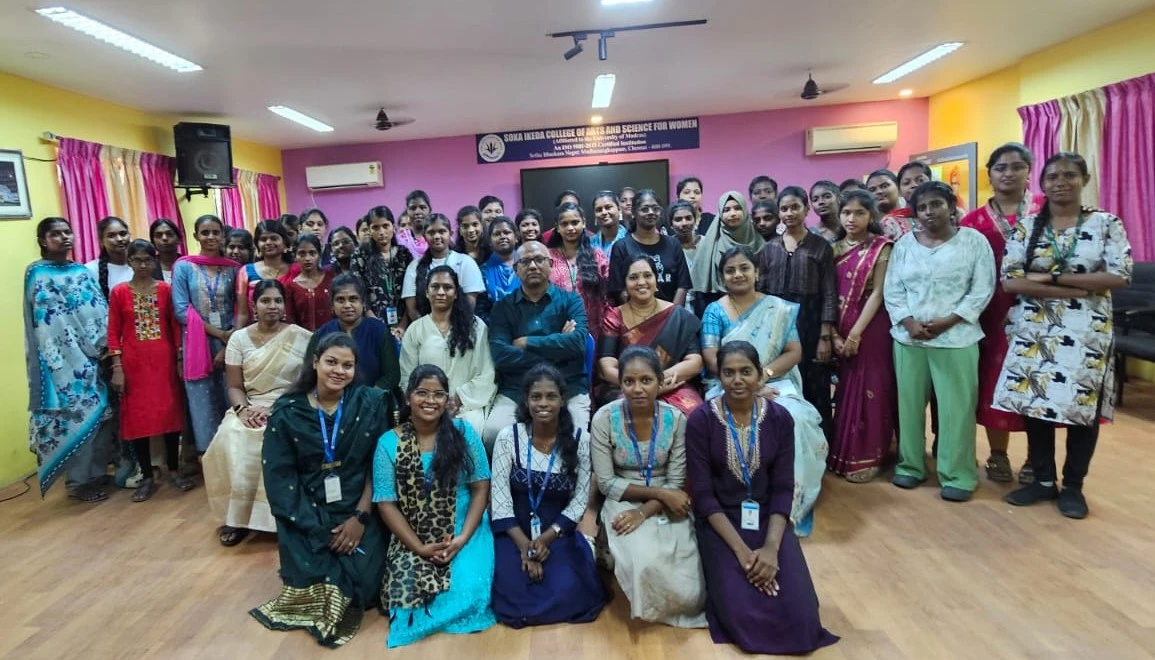
Selected moments from Emocare counselling, training and wellness programmes.


Helpful answers
Frequently Asked Questions
Can both partners attend the same session?
Yes. The structured joint format includes individual time with each partner followed by time together. The professional confirms the suitable format before the appointment.
Can only one partner attend?
Yes. One partner may attend an individual one-hour relationship-guidance session. Individual counselling cannot control or diagnose the absent partner.
Does couple counselling guarantee reconciliation?
No. Counselling supports understanding, communication, safety and informed decisions. It cannot guarantee reconciliation or require either partner to remain in the relationship.
Is online couple counselling available?
Yes, subject to privacy, technology, safety, both partners’ locations and professional availability.
When may joint counselling be unsuitable?
Joint sessions may be unsuitable where there is active violence, coercive control, intimidation, stalking, serious fear or immediate danger. Individual safety assessment and specialist support may be required.
Is pre-marital counselling available?
Yes. Emocare has a separate pre-marital counselling service covering expectations, communication, finances, family roles, values, intimacy, parenting and future plans.
When urgent help is needed
If there are suicidal thoughts or tendencies with immediate risk, suicidal behaviour, an attempt at suicide or self-harm, immediate danger, or an inability to remain safe, contact local emergency services or go to the nearest hospital immediately. In India, Tele-MANAS is available at 14416.
Take the next step
Enquire about an online appointment
Send a confidential WhatsApp enquiry to discuss the suitable session mode, centre and available professional.
Explore Emocare Services
Use these frequently requested pages to find the right counselling, learning or appointment information.
Book a Counselling Appointment
Choose an available counselling service and request your appointment.
Online Counselling
Access confidential counselling support online from India or overseas.
Counselling Training
Explore practical counselling training programmes in Chennai and online.
Counselling Internship
Learn about Emocare counselling internship opportunities.
Six-Month Professional Diploma in Counselling & Life Coaching
Explore Emocare’s six-month blended professional diploma in therapeutic counselling and life coaching.
One-Year Professional Diploma
Explore Emocare’s one-year professional diploma in counselling, psychotherapy and life coaching.
Important: This page provides general information and counselling access. It does not diagnose a condition or replace psychiatric, medical or emergency care. Medication must be prescribed and reviewed by a qualified medical professional.
Health-information references: AAMFT — Marriage and family therapists · WHO — Intimate-partner violence and safety · Tele-MANAS, Ministry of Health and Family Welfare