
Online access for families throughout India
Child Counselling Across India with Emocare
Families outside Chennai can enquire about suitable online child counselling or parent-focused support.
Clear the Past · Structure the Present · Empower the Future

Choose the most convenient counselling option
Explore Other Ways to Attend
Support for parents
Would a parent-guidance session be a better first step?
For younger children, or concerns involving behaviour, learning or development, parents may begin with a one-hour parent-guidance session.
One-hour parent-guidance session: ₹1,499.00
Why clients choose Emocare
Professional Support Built Around the Individual
Emocare combines assessment-led counselling, practical therapeutic methods and convenient access through three Chennai centres and confidential online sessions.
Recognition and client trust
Justdial Recognition for Emocare Ambattur
Emocare Ambattur has received Justdial Trusted Business and Users’ Choice recognition. The live Justdial badge below provides access to current listing information.


View Emocare’s live Justdial badge
Justdial recognition relates to business-listing verification and platform criteria; it is not a guarantee of counselling outcomes or clinical endorsement.
Counselling Session Payment
Pay the applicable counselling fee to reserve your session. After payment, send your name, payment screenshot, preferred date and preferred time through WhatsApp.
Standard Counselling Session
1-hour session
Choose a Payment Method
GPay mobile number: +91 99621 63122
Pay Securely Through Razorpay →Send Payment Screenshot on WhatsApp →After payment: Send your name, payment screenshot, preferred date and preferred time through WhatsApp. Emocare will allot the available counsellor and confirm the appointment.
Request a Counselling Appointment
After payment, choose your preferred date and time for an online counselling session and send the prepared details through WhatsApp.
Review the Fee
Check the applicable session fee and duration.
Pay to Reserve
Pay through GPay or the secure Razorpay payment page.
Send Your Preferred Slot
WhatsApp your name, payment screenshot, preferred date and preferred time.
Online child support across India
Enquire from outside Chennai about suitable online support
Families across India can enquire about online child counselling or parent-focused sessions. Suitability depends on the child’s age, concern, communication, privacy, safety and the availability of appropriate local support when needed.
Emocare’s physical counselling centres are in Chennai. Families elsewhere in India can first discuss whether an online child or parent-focused session is suitable.
Child Counselling Support Areas
Emocare considers emotional, behavioural, learning, developmental, family, peer and school-related concerns in relation to the child’s age, health, safety and individual experience.
Strong emotions or behaviour changes
Frequent anger, tantrums, aggression, sudden changes or difficulty recovering after distress.
Anxiety, fears or avoidance
Persistent worry, separation difficulty, specific fears, school avoidance or physical complaints linked with distress.
Sadness or withdrawal
Reduced interest, tearfulness, irritability, isolation, low confidence or changes in sleep and appetite.
School refusal and academic distress
School refusal, exam anxiety, academic pressure, performance changes, classroom distress or difficulty returning after an absence.
Learning difficulties
Emotional and behavioural support related to dyslexia, dyscalculia, dysgraphia or other specific learning difficulties, alongside appropriate educational assessment and intervention.
Attention and executive-function needs
Support for concentration, impulsivity, organisation, routines, task completion and frustration that may occur with ADHD or other attention concerns.
Autism and neurodivergent support
Individualised support for emotional regulation, communication, transitions, sensory stress, flexibility and social experiences, with referral when specialist assessment is required.
Bullying and peer difficulties
Bullying, friendship conflict, loneliness, social anxiety, exclusion, assertiveness needs or difficulty understanding peer situations.
Family change, grief or trauma
Difficulty adjusting to separation, bereavement, relocation, illness, conflict or frightening experiences.
Communication and social skills
Difficulty expressing feelings, asking for help, understanding boundaries, solving problems or developing age-appropriate social responses.
Sleep, routines and daily functioning
Sleep-related distress, difficult routines, toileting or feeding concerns, excessive screen use or reduced independence, with medical referral where appropriate.
Self-esteem and coping needs
Low confidence, negative self-talk, perfectionism, difficulty managing mistakes or needing safer ways to handle frustration.
How child counselling may help
The plan is adapted to development, communication, strengths, family context, safety and the reason for seeking support.
Age-appropriate assessment
Understand the child’s concerns through parent information, the child’s perspective and relevant developmental or school context.
Safe emotional expression
Use conversation, play, drawing, stories or activities suited to the child’s age and comfort.
Coping and calming skills
Practise emotional naming, breathing, grounding, problem-solving and safer responses to strong feelings.
Behavioural skill building
Work on specific goals such as communication, routines, flexibility, frustration tolerance or social responses.
Parent and family involvement
Help caregivers reinforce useful skills, provide co-regulation and create consistent support at home.
Referral and coordinated care
Recommend appropriate medical, psychiatric, developmental, learning, speech or school support when needed.
Helpful guide
A Practical Guide to Child Counselling
Children do not always explain distress in adult language. Feelings may appear through behaviour, play, physical complaints, sleep changes, school avoidance, anger, withdrawal or reduced confidence. Child counselling uses developmentally appropriate communication and planned parent involvement to understand these signals while respecting the child’s dignity, privacy and safeguarding needs.
Understanding the concern before choosing a method
The process usually begins with information from a parent or guardian and, when appropriate, the child. The professional considers development, health, school, friendships, family events, strengths, risks and previous support. A sudden behaviour change may require a different response from a long-standing developmental or learning concern, so careful assessment matters.
Counselling alone does not confirm ADHD, autism, dyslexia or another developmental, learning or medical diagnosis. When these concerns are suspected, referral for an appropriate developmental, clinical, psychiatric, educational, speech or medical assessment may be advised. Counselling can still support emotional coping and family communication alongside specialist care.
Helping children build emotional and practical skills
Depending on age and comfort, sessions may use conversation, drawing, stories, play, activities, emotional naming, breathing, grounding and problem-solving. Goals might include asking for help, tolerating frustration, responding to peers, managing fears or returning to routines. Methods should be explained in language the child and parent can understand.
Parents are usually involved in a way suited to age, concern and safety. They may receive general progress information and guidance for reinforcing skills at home, while the child is given appropriate privacy. Confidentiality has limits when there is risk of harm, abuse, neglect or another serious safety concern, and these limits should be discussed clearly.
Accessing professional support from across India
People in cities, towns or areas outside Chennai can enquire about online appointments without travelling to an Emocare centre. Online access can be especially useful when an appropriate local service is difficult to reach, but it should complement—not replace—nearby medical, psychiatric, developmental, school or emergency resources when those are needed.
Clients should confirm language, time, privacy, technology, professional availability and fee before booking. India has varied languages, family contexts and local resources, so recommendations should be adapted rather than assuming that one plan suits every household. Relevant cultural, educational, occupational and caregiving circumstances can be discussed during assessment.
For continuing care, agree how progress will be reviewed and where urgent help can be obtained locally. Keep the address and telephone number of a nearby hospital or trusted support person when risk is relevant. Online counselling can provide structured professional support across distance, while a coordinated plan ensures that local services remain available when direct intervention is required.
Explore the appropriate service page
Choose the page that best matches your location and preferred session mode: Child Counselling – Chennai & Online · Online Child Counselling Worldwide · Child Counselling in Chennai · Online Child Counselling Across India.
Before choosing a service, consider the main difficulty, its duration, its effect on everyday functioning and any previous professional support. Sharing accurate information helps the professional decide whether counselling, another assessment, coordinated care or an urgent local service is the most appropriate next step.
This guide provides general educational information. It does not diagnose a condition, guarantee an outcome or replace individual medical, psychiatric, developmental or emergency assessment. Emocare confirms suitability, the available professional, session mode and applicable fee before an appointment.
Understand How Professional Counselling Can Help
Watch this short Emocare video to understand the role of professional counselling and structured emotional support.
This video provides general information. Your counsellor will recommend an individualised approach after understanding your concerns, circumstances and support needs.
Developmentally appropriate support
Approaches for Children and Parents
Support is selected only after considering the child’s age, development, communication, family context, health, school experience, strengths, safety and individual needs. Parent involvement is planned according to age, suitability, consent and safeguarding responsibilities.
Parent guidance
Practical support for communication, routines, boundaries and co-regulation.
Behavioural observation
Understanding triggers, behaviour, consequences, patterns and unmet needs.
CBT-informed support
Age-appropriate work with thoughts, feelings, coping and helpful actions.
Play-based methods
Developmentally suitable play and activities when appropriate.
Art and expression
Drawing, stories and creative activities that may support communication.
Emotional literacy
Recognising, naming and expressing emotions in safer and clearer ways.
Relaxation skills
Simple breathing, grounding and mindfulness practices suited to the child.
Family collaboration
Involving parents or caregivers appropriately while respecting the child.
School coordination
With consent, relevant school information may support a fuller understanding.
Professional referral
Medical, psychiatric, developmental, speech, learning or other assessment when indicated.
Important: Counselling does not by itself confirm a diagnosis. Concerns involving development, learning, speech, physical health, medication, severe symptoms or immediate safety may require assessment by an appropriately qualified specialist.
Meet Our Therapists
Meet Emocare therapists providing counselling, psychology, career guidance and life-coaching support.

Seethalakshmi Sivakumar
Psychologist, International Life Coach and Trainer
Qualifications: M.Sc. Psychology; PG Diploma in Counselling & Guidance; PG Diploma in Yoga & Behaviour Therapy; B.A. English Literature
Specialisations: Counselling, CBT, couple counselling, life coaching, NLP, hypnotherapy and professional training
Languages: Tamil, English and Hindi
Experience: 20+ years of professional experience
Availability: Available at Ambattur; available at Thoraipakkam and Tambaram by prior appointment
View Professional Profile →
Ms. Uma
Life Coach & Yoga Therapist
Qualifications: UG in Psychology; Diploma in Yoga & Behavioural Science; Diploma in Acupuncture; Diploma in Acupressure; Diploma in Flower Medicine; Diploma in Yoga
Specialisations: Life coaching, relationship coaching, NLP coaching, couple and premarital coaching, alternative therapies and yoga for better health
Languages: Tamil, English and Hindi
Availability: Available at Ambattur; available at Thoraipakkam and Tambaram by prior appointment
View Professional Profile →
Shivahari
Psychologist, Career Analyst and Counsellor
Qualifications: M.Sc. Psychology; MBA (HR); PG Diploma in Guidance and Counselling
Specialisations: Psychology, career analysis, counselling and personal development
Languages: Tamil and English
Availability: Regularly available at Thoraipakkam and Tambaram
View Professional Profile →
Reshma Krish
Psychologist, Couple Counsellor and Couple Coach
Qualifications: Master’s in Psychology; Internationally Certified Couple Coach; Internationally Certified Life Coach; Neurobics Trainer
Specialisations: Couple and marriage counselling, premarital counselling, student wellness, communication and conflict, trust recovery and Neurobics
Languages: Tamil and English
Availability: Available at Ambattur; available at Thoraipakkam and Tambaram by prior appointment
View Professional Profile →
Jeyapriya J
Psychologist, Couple Counsellor and Couple Coach
Qualifications: Bachelor’s in Psychology; Postgraduate Diploma in Psychological Counselling; Internationally Certified Couple Coach; NLP Coach
Specialisations: Couple and marriage counselling, premarital counselling, communication and conflict, trust recovery and separation support
Languages: Tamil and English
Availability: Available at Ambattur; available at Thoraipakkam and Tambaram by prior appointment
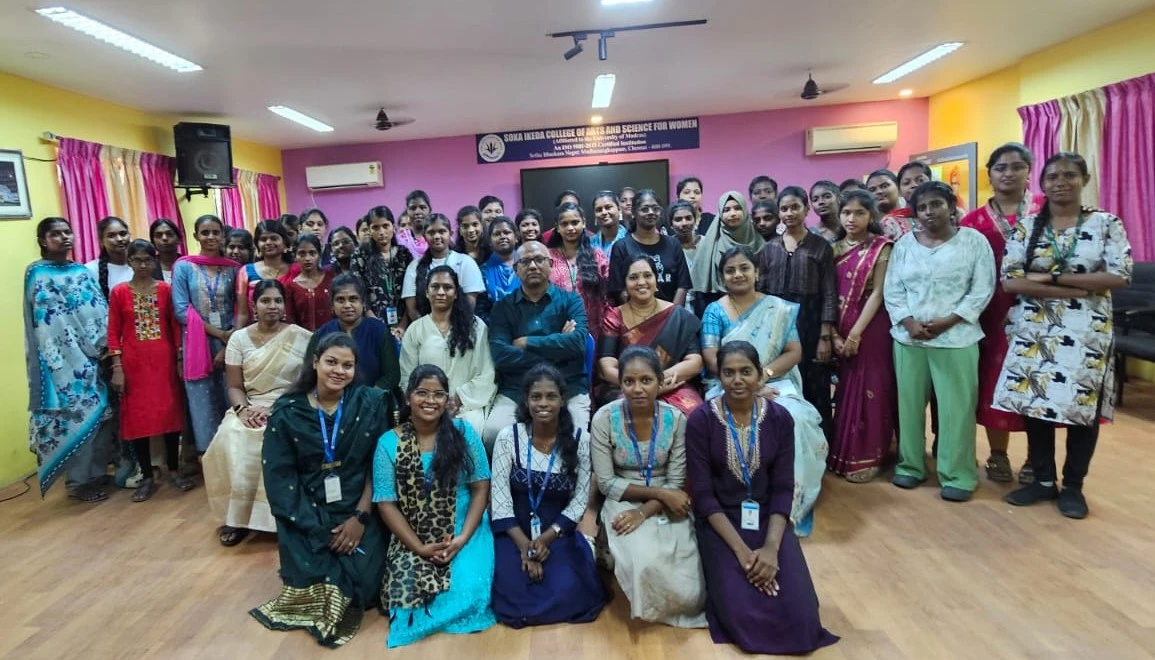
View Professional Profile →Emocare Training and Achievements
Selected moments from Emocare counselling, training and wellness programmes.


Helpful answers
Frequently Asked Questions
What happens in child counselling?
The process depends on age and need. It may include parent discussion, age-appropriate conversation, play, drawing, stories, activities, coping practice and review of progress.
Will parents be involved?
Usually yes, in a way suited to the child’s age and concern. The professional explains how parents will participate and how general progress or safety information will be shared.
Is everything a child says confidential?
Privacy is respected, but it has safeguarding limits. Information may need to be shared with parents, guardians or appropriate services when there is risk of harm, abuse, neglect or another serious safety concern.
Can child counselling be conducted online?
Sometimes. Suitability depends on age, attention, privacy, the concern, technology, parent availability and safety. Younger children may benefit more from parent sessions or in-person work.
Does counselling diagnose ADHD, autism or learning disorders?
No. Counselling alone does not confirm these diagnoses. A qualified developmental, clinical, psychiatric, educational, speech or medical assessment may be recommended.
When should urgent help be sought?
Seek urgent help for immediate danger, self-harm, suicidal thoughts or behaviour, severe violence, suspected abuse, acute confusion or inability to keep the child safe.
When urgent help is needed
If there are suicidal thoughts or tendencies with immediate risk, suicidal behaviour, an attempt at suicide or self-harm, immediate danger, or an inability to remain safe, contact local emergency services or go to the nearest hospital immediately. In India, Tele-MANAS is available at 14416.
Take the next step
Enquire from anywhere in India
Send a confidential WhatsApp enquiry to discuss the suitable session mode, centre and available professional.
Counselling access
Choose How You Would Like to Attend
Explore Emocare’s main counselling information, confidential online appointments or in-person counselling at our Chennai centres.
Main Counselling Page
Explore Emocare counselling services, centres, online support and appointment information.
Main Counselling Page →Counselling in Chennai
Explore in-person counselling at Ambattur, Thoraipakkam and Tambaram.
Counselling in Chennai →Explore Emocare Services
Use these frequently requested pages to find the right counselling, learning or appointment information.
Book a Counselling Appointment
Choose an available counselling service and request your appointment.
Online Counselling
Access confidential counselling support online from India or overseas.
Counselling Training
Explore practical counselling training programmes in Chennai and online.
Counselling Internship
Learn about Emocare counselling internship opportunities.
Six-Month Professional Diploma in Counselling & Life Coaching
Explore Emocare’s six-month blended professional diploma in therapeutic counselling and life coaching.
One-Year Professional Diploma
Explore Emocare’s one-year professional diploma in counselling, psychotherapy and life coaching.
Important: This page provides general information and counselling access. It does not diagnose a condition or replace psychiatric, medical or emergency care. Medication must be prescribed and reviewed by a qualified medical professional.
Health-information references: WHO — Parenting interventions · AACAP — Psychotherapy for children and adolescents · UNICEF — Child mental health and wellbeing · Tele-MANAS, Ministry of Health and Family Welfare