
Online access throughout India
Anger Management Counselling Across India with Emocare
Connect online with an Emocare counselling professional from anywhere in India, subject to suitability and availability.
Clear the Past · Structure the Present · Empower the Future
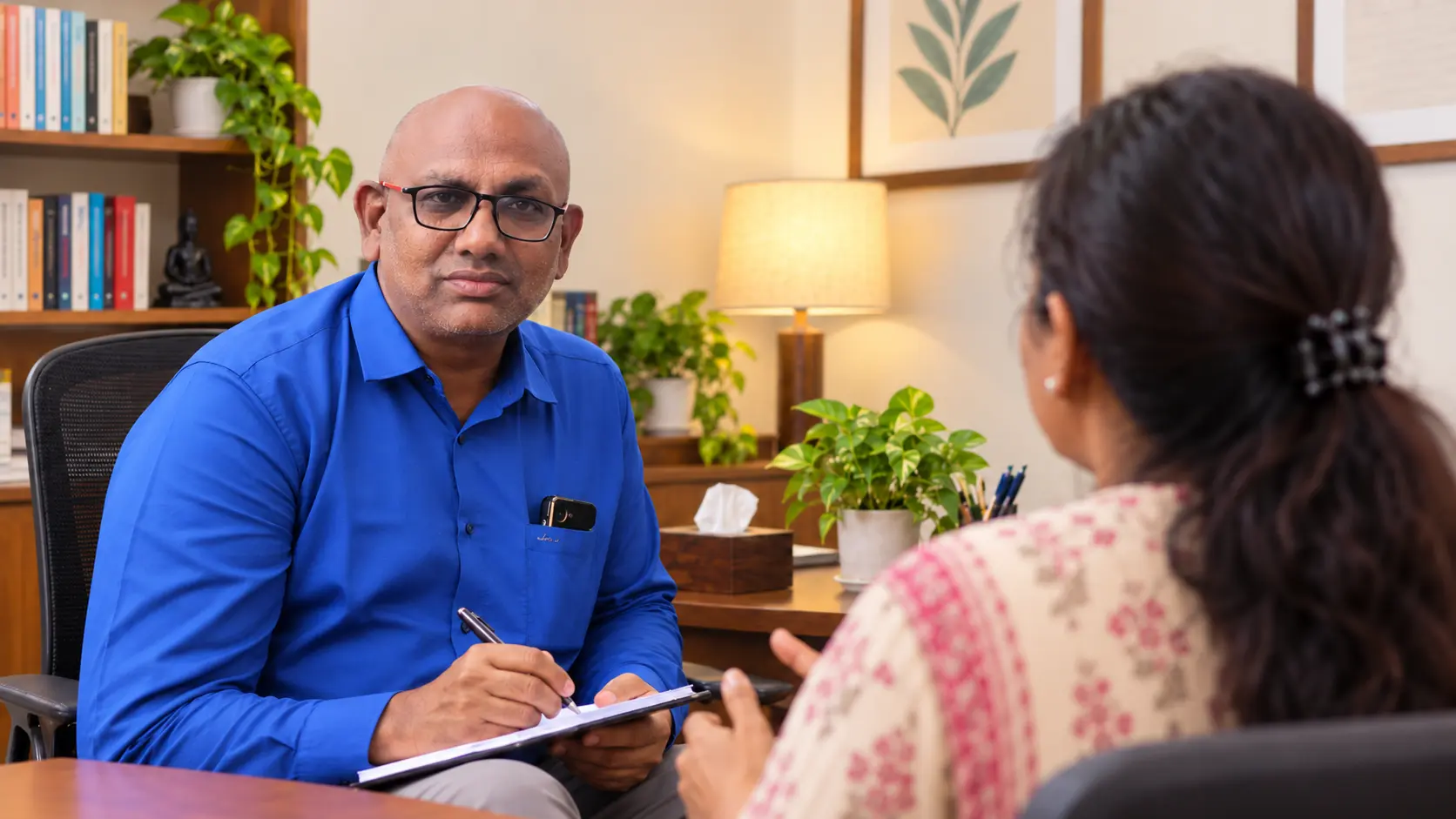
Why clients choose Emocare
Professional Support Built Around the Individual
Emocare combines assessment-led counselling, practical therapeutic methods and convenient access through three Chennai centres and confidential online sessions.
Counselling Session Payment
Complete payment only after Emocare confirms the counsellor, appointment time, session mode and applicable fee.
Standard Counselling Session
1-hour session
Choose a Payment Method
GPay mobile number: +91 99621 63122
Pay Securely Through Razorpay →Send Payment Screenshot on WhatsApp →Before paying: Confirm the counsellor, appointment time, session mode and fee with Emocare. After payment, send the payment screenshot and your confirmed appointment details through WhatsApp.
Request a Counselling Appointment
Choose your preferred date, time and mode. Emocare will confirm the available counsellor and appointment slot through WhatsApp.
Review the Fee
Check the session fee, duration and available modes.
Request a Slot
Choose a preferred date, time and online or offline mode.
Wait for Confirmation
Emocare confirms availability before you make payment.
Online access across India
Connect from your city or town
People outside Chennai can enquire about online counselling without travelling to an Emocare centre. Sessions are by prior appointment and subject to suitability and availability.
This service is online across India; it does not indicate physical Emocare branches outside Chennai.
When counselling may be helpful
Professional support for frequent irritability, outbursts, aggression, resentment and conflict affecting relationships, health, study or work.
Frequent irritability
Feeling constantly on edge, impatient or unusually reactive to minor frustrations.
Anger outbursts
Shouting, threatening, saying hurtful things, breaking objects or feeling unable to stop escalation.
Relationship conflict
Repeated arguments, intimidation, silent treatment, resentment or cycles of anger and apology.
Road or public anger
Aggressive reactions while driving, waiting, dealing with strangers or facing inconvenience.
Workplace anger
Conflict with colleagues, supervisors, customers or team members that affects judgement and performance.
Guilt and consequences
Regret, shame, damaged trust, disciplinary problems or fear that anger may cause harm.
How counselling may help
Support is personalised after understanding the concern, its duration, impact, safety needs and individual goals.
Assessment and safety planning
Understand triggers, escalation, consequences, violence risk, substance use and immediate safety needs.
Early-warning awareness
Recognise body signals, thoughts and behaviours before anger reaches a crisis point.
Regulation and timeout skills
Practise grounding, paced breathing, relaxation and a safe plan for stepping away and returning.
CBT-informed work
Examine interpretations, expectations and thinking patterns that intensify anger.
Communication and conflict skills
Develop listening, assertiveness, boundaries, specific requests and constructive problem-solving.
Maintenance and referral
Review practice, repair after conflict and coordinate medical, psychiatric, substance-use or specialist care when needed.
Helpful guide
A Practical Guide to Anger Management Counselling
Anger is a normal human emotion, but repeated outbursts, intimidation, aggression, damaged relationships, workplace conflict or persistent resentment may indicate that additional support is needed. Counselling does not aim to suppress every angry feeling. It helps a person recognise escalation earlier, understand the pattern and practise safer, more effective responses.
Understanding triggers, warning signs and consequences
Anger may begin with feeling threatened, disrespected, powerless, criticised, blocked, overwhelmed or treated unfairly. Physical warning signs can include a faster heartbeat, tense muscles, clenched fists, heat, tightness in the chest, rapid speech or difficulty listening. Thoughts may become absolute—such as “always”, “never” or “they must”—and behaviour may shift towards shouting, withdrawal, sarcasm, breaking objects or aggression. Recognising the earliest signs creates more opportunity to pause before harm occurs.
Assessment considers the frequency, intensity, duration and consequences of anger, along with sleep, stress, alcohol or substance use, health, medication, trauma, anxiety, depression and relationship patterns. The professional also asks about violence, threats, self-harm, access to weapons and the safety of children or other family members when relevant. Counselling cannot be used to excuse abusive behaviour; immediate danger requires emergency and safeguarding action.
Building regulation, thinking and communication skills
A personalised plan may include a structured timeout, paced breathing, grounding, relaxation, mindfulness and recognising the point at which a conversation is no longer productive. CBT-informed work can examine interpretations and demands that rapidly intensify anger. The purpose is not forced positive thinking, but developing a more accurate appraisal and choosing behaviour that protects safety, dignity and long-term goals.
Communication practice may include listening before replying, making specific requests, using “I” statements, setting boundaries and returning to a difficult discussion at an agreed time. Problem-solving can separate what is controllable from what is not. Between sessions, a brief trigger–thought–feeling–action–consequence record may help identify patterns. Progress is measured through fewer harmful reactions, earlier recovery, better repair after conflict and improved functioning—not by expecting anger to disappear completely.
Accessing professional support from across India
People in cities, towns or areas outside Chennai can enquire about online appointments without travelling to an Emocare centre. Online access can be especially useful when an appropriate local service is difficult to reach, but it should complement—not replace—nearby medical, psychiatric, developmental, school or emergency resources when those are needed.
Clients should confirm language, time, privacy, technology, professional availability and fee before booking. India has varied languages, family contexts and local resources, so recommendations should be adapted rather than assuming that one plan suits every household. Relevant cultural, educational, occupational and caregiving circumstances can be discussed during assessment.
For continuing care, agree how progress will be reviewed and where urgent help can be obtained locally. Keep the address and telephone number of a nearby hospital or trusted support person when risk is relevant. Online counselling can provide structured professional support across distance, while a coordinated plan ensures that local services remain available when direct intervention is required.
Explore the appropriate service page
Choose the page that best matches your location and preferred session mode: Anger Management Counselling · Online Anger Management Counselling · Anger Management Counselling in Chennai · Anger Management Counselling Across India.
Before choosing a service, consider the main difficulty, its duration, its effect on everyday functioning and any previous professional support. Sharing accurate information helps the professional decide whether counselling, another assessment, coordinated care or an urgent local service is the most appropriate next step.
This guide provides general educational information. It does not diagnose a condition, guarantee an outcome or replace individual medical, psychiatric, developmental or emergency assessment. Emocare confirms suitability, the available professional, session mode and applicable fee before an appointment.
Private self-reflection
Do I Need Support with Anger?
Think about your experiences during the past four weeks. Select True or False for every statement. Your answers remain in your browser and are not sent to Emocare.
Understand How Professional Counselling Can Help
Watch this short Emocare video to understand the role of professional counselling and structured emotional support.
This video provides general information. Your counsellor will recommend an individualised approach after understanding your concerns, circumstances and support needs.
Integrated and individualised support
Therapeutic Approaches We Use
Emocare follows an eclectic counselling approach. After understanding the client’s concerns, goals, age, preferences, safety needs and suitability, the professional may integrate appropriate methods rather than applying one fixed model to everyone.
CBT
Cognitive Behavioural Therapy
REBT
Rational Emotive Behaviour Therapy
NLP
Neuro-Linguistic Programming
TA
Transactional Analysis
ACT
Acceptance and Commitment Therapy
Gestalt Therapy
Awareness, experience and present-focused work
MI
Motivational Interviewing
Art Therapy
Creative and expressive therapeutic activities
Play Therapy
Developmentally suitable therapeutic play
Logotherapy
Meaning-centred therapeutic exploration
Hypnotherapy
Relaxation and focused therapeutic work when suitable
Spiritual Therapy
Values and spiritually integrated support when requested
Family Therapy
Relationship patterns, communication and family systems
MBSR
Mindfulness-Based Stress Reduction
Yoga Therapy
Breathing, movement and mind-body practices
Reiki Therapy
Complementary wellbeing practice when requested
Important: The approach used depends on assessment, professional competence, informed consent and the client’s needs. Complementary practices do not replace medical, psychiatric or emergency care.
Meet Our Therapists
Meet Emocare therapists providing counselling, psychology, career guidance and life-coaching support.

Seethalakshmi Sivakumar
Psychologist, International Life Coach and Trainer
Qualifications: M.Sc. Psychology; PG Diploma in Counselling & Guidance; PG Diploma in Yoga & Behaviour Therapy; B.A. English Literature
Specialisations: Counselling, CBT, couple counselling, life coaching, NLP, hypnotherapy and professional training
Languages: Tamil, English and Hindi
Experience: 20+ years of professional experience
Availability: Available at Ambattur; available at Thoraipakkam and Tambaram by prior appointment
View Professional Profile →
Ms. Uma
Life Coach & Yoga Therapist
Qualifications: UG in Psychology; Diploma in Yoga & Behavioural Science; Diploma in Acupuncture; Diploma in Acupressure; Diploma in Flower Medicine; Diploma in Yoga
Specialisations: Life coaching, relationship coaching, NLP coaching, couple and premarital coaching, alternative therapies and yoga for better health
Languages: Tamil, English and Hindi
Availability: Available at Ambattur; available at Thoraipakkam and Tambaram by prior appointment
View Professional Profile →
Shivahari
Psychologist, Career Analyst and Counsellor
Qualifications: M.Sc. Psychology; MBA (HR); PG Diploma in Guidance and Counselling
Specialisations: Psychology, career analysis, counselling and personal development
Languages: Tamil and English
Availability: Regularly available at Thoraipakkam and Tambaram
View Professional Profile →
Reshma Krish
Psychologist, Couple Counsellor and Couple Coach
Qualifications: Master’s in Psychology; Internationally Certified Couple Coach; Internationally Certified Life Coach; Neurobics Trainer
Specialisations: Couple and marriage counselling, premarital counselling, student wellness, communication and conflict, trust recovery and Neurobics
Languages: Tamil and English
Availability: Available at Ambattur; available at Thoraipakkam and Tambaram by prior appointment
View Professional Profile →
Jeyapriya J
Psychologist, Couple Counsellor and Couple Coach
Qualifications: Bachelor’s in Psychology; Postgraduate Diploma in Psychological Counselling; Internationally Certified Couple Coach; NLP Coach
Specialisations: Couple and marriage counselling, premarital counselling, communication and conflict, trust recovery and separation support
Languages: Tamil and English
Availability: Available at Ambattur; available at Thoraipakkam and Tambaram by prior appointment
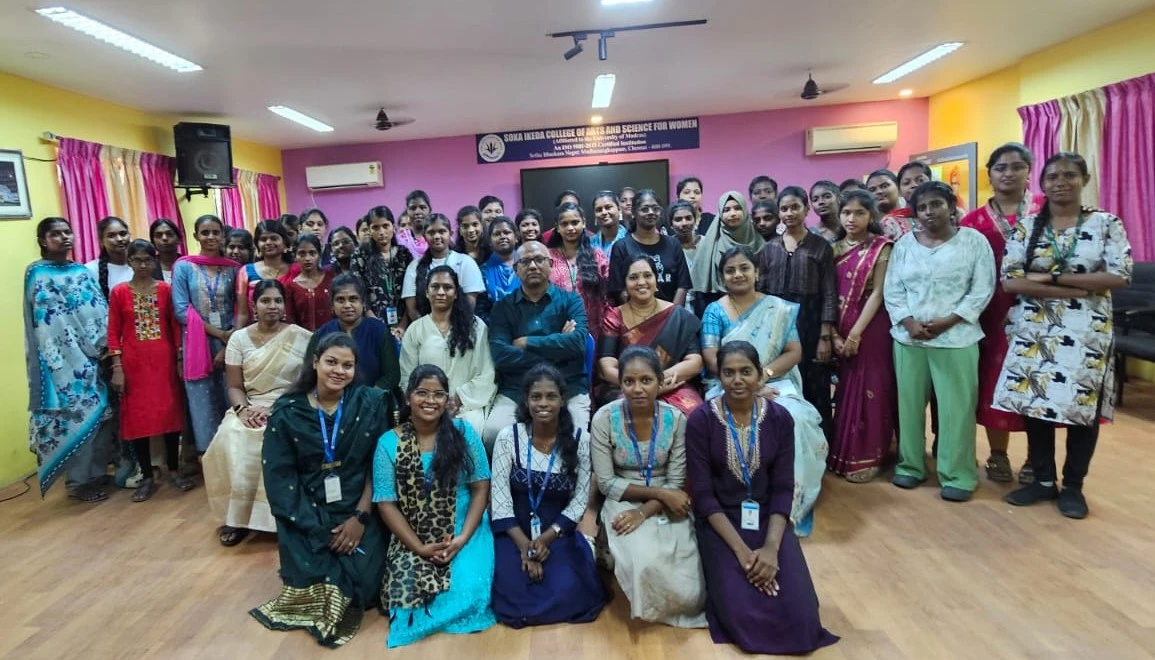
View Professional Profile →Emocare Training and Achievements
Selected moments from Emocare counselling, training and wellness programmes.


Helpful answers
Frequently Asked Questions
Is anger always a mental health disorder?
No. Anger is a normal emotion. Professional support may be useful when it is frequent, intense, harmful, difficult to manage or repeatedly affects relationships, health, study, work or safety.
Does anger management mean suppressing anger?
No. The aim is to recognise anger, understand what it communicates and express needs or boundaries without aggression, intimidation or harm.
Can anger management counselling be online?
Yes, when privacy, technology and safety are suitable. Immediate danger, active violence or some complex concerns require local in-person or emergency support.
What methods may be used?
Depending on assessment, sessions may include CBT-informed strategies, timeouts, grounding, relaxation, mindfulness, problem-solving, assertiveness and communication practice.
Can couple or family sessions help?
They may sometimes support communication, but only when participation is safe and appropriate. Active violence, coercive control or intimidation requires careful individual safety assessment and specialist support.
When is urgent help required?
Seek emergency help immediately when there is imminent risk of violence, serious threats, use of a weapon, self-harm, suicidal behaviour, severe confusion or inability to keep anyone safe.
When urgent help is needed
If there are suicidal thoughts or tendencies with immediate risk, suicidal behaviour, an attempt at suicide or self-harm, immediate danger, or an inability to remain safe, contact local emergency services or go to the nearest hospital immediately. In India, Tele-MANAS is available at 14416.
Take the next step
Connect with Emocare from anywhere in India
Send a confidential WhatsApp enquiry to discuss the suitable session mode, centre and available professional.
Explore Emocare Services
Use these frequently requested pages to find the right counselling, learning or appointment information.
Book a Counselling Appointment
Choose an available counselling service and request your appointment.
Online Counselling
Access confidential counselling support online from India or overseas.
Counselling Training
Explore practical counselling training programmes in Chennai and online.
Counselling Internship
Learn about Emocare counselling internship opportunities.
Six-Month Professional Diploma in Counselling & Life Coaching
Explore Emocare’s six-month blended professional diploma in therapeutic counselling and life coaching.
One-Year Professional Diploma
Explore Emocare’s one-year professional diploma in counselling, psychotherapy and life coaching.
Important: This page provides general information and counselling access. It does not diagnose a condition or replace psychiatric, medical or emergency care. Medication must be prescribed and reviewed by a qualified medical professional.
Health-information references: NHS — Get help with anger · SAMHSA — Anger Management Manual · American Psychological Association — Understanding anger · Tele-MANAS, Ministry of Health and Family Welfare