AceYour Allied Health Exam: A Guide to the Biopsy chosocial Model, Nervous System, and Stress Response

Ace Your Allied Health Exam: A Guide to the Biopsychosocial Model, Nervous System, and Stress Response
from pathlib import Path html = r”””
Quick Quiz (WordPress shortcode)
[ays_quiz id=’154′]
Ace Your Allied Health Exam: Biopsychosocial Model, Nervous System & Stress Response
This blog post offers clear definitions and exam-ready explanations of core concepts frequently tested in psychology & allied health licensing and qualifying exams worldwide. Use this as a quick revision sheet before mock tests or interviews.
Important Definitions (Exam-Ready)
Biopsychosocial (BPS) Model
Definition: A holistic framework (George L. Engel, 1977) that explains health and illness as the result of interaction between biological, psychological, and social factors.
Exam tip: Use the BPS model for case vignettes—identify at least 1 factor from each domain and propose integrated interventions.
Central & Peripheral Nervous System (CNS & PNS)
Definition: The CNS (brain and spinal cord) is the processing hub, while the PNS connects the CNS to the rest of the body through sensory and motor pathways.
- CNS: integrates information, plans responses, supports cognition & emotion regulation.
- PNS: carries signals to/from organs, muscles, skin, and sensory systems.
Autonomic Nervous System (ANS)
Definition: Regulates involuntary processes (heart rate, breathing, digestion). Subdivided into:
- Sympathetic: Fight-or-flight responses (↑heart rate, ↑blood pressure, ↓digestion).
- Parasympathetic: Rest-and-digest responses (↓heart rate, ↑digestion, recovery).
Exam tip: In stress questions, mention sympathetic activation first, then recovery via parasympathetic activity.
Limbic System
Definition: A group of brain structures (amygdala, hippocampus, hypothalamus) responsible for emotion processing, memory consolidation, and motivation.
- Amygdala: threat detection, fear conditioning.
- Hippocampus: learning & memory; stress can affect encoding and recall.
- Hypothalamus: links nervous system to endocrine system (key to HPA axis).
Key Neurotransmitters
- Serotonin (5-HT): mood, sleep, appetite – deficits linked with depression and anxiety.
- Dopamine (DA): reward, motivation, movement – excess → psychosis; deficit → Parkinson’s-like symptoms.
- GABA: main inhibitory neurotransmitter – low levels can be associated with anxiety and hyperarousal.
- Glutamate: main excitatory neurotransmitter – excess can relate to seizures and excitotoxicity.
- Norepinephrine (NE): arousal, vigilance, stress response.
General Adaptation Syndrome (GAS)
Definition: Hans Selye’s 3-stage model of stress response:
- Alarm: immediate sympathetic arousal and fight/flight preparation.
- Resistance: sustained coping/adaptation to ongoing stress.
- Exhaustion: depleted resources, risk of illness, burnout, or breakdown.
HPA Axis
Definition: Stress hormone system: Hypothalamus (CRH) → Pituitary (ACTH) → Adrenal Cortex (Cortisol). Chronic cortisol can affect immunity and memory.
Exam tip: If asked about chronic stress effects, mention sleep changes, immune suppression, and hippocampal impacts.
Transactional Model of Stress
Definition: Lazarus & Folkman’s model emphasizing appraisal (threat vs challenge) and coping strategies:
- Problem-focused: change the stressor (planning, seeking information).
- Emotion-focused: regulate emotion (reframing, relaxation, support).
- Avoidance: temporarily escape (can become maladaptive if chronic).
Diathesis–Stress Model
Definition: A disorder can develop from the combination of a vulnerability (diathesis—genetic/biological/psychological) and environmental stressors.
Coping & Resilience
Definition: Coping includes cognitive and behavioral strategies used to manage stress. Resilience is the ability to recover and adapt after adversity.
Exam Orientation (Global)
These concepts commonly appear across international exam systems and competency checks. Use the same core framework and adjust wording to local practice guidelines.
- USA/Canada (EPPP-style topics): neurobiology, stress physiology, biopsychosocial case formulations.
- UK (HCPC-style competencies): applied biopsychosocial reasoning within health systems.
- Australia (NPE-style expectations): integration of brain–behavior relationships and evidence-based care.
- GCC (DHA/DOH/MOHAP, SCFHS, QCHP): stress–health integration and culturally sensitive application.
Internal Linking (SEO)
Explore Emocare resources and services:
FAQs
How do I write a BPS answer in 30 seconds?
Use a 3-line format: (1) Biological factor, (2) Psychological factor, (3) Social factor + a brief intervention plan for each.
What is the quickest way to remember the HPA axis?
Think: Brain starts it (Hypothalamus), Brain passes it (Pituitary), Body releases it (Adrenal cortex → Cortisol).
Which topics are most frequently tested?
Definitions, application to vignettes, and basic physiology (ANS, neurotransmitters, GAS stages, cortisol effects).
Can Emocare guide me for exam preparation?
Yes. We offer structured learning and counselling training with case-based learning. Contact Emocare for the best-fit program.
Next Steps
Join Emocare’s international training programs for deeper learning, case studies, and structured preparation.
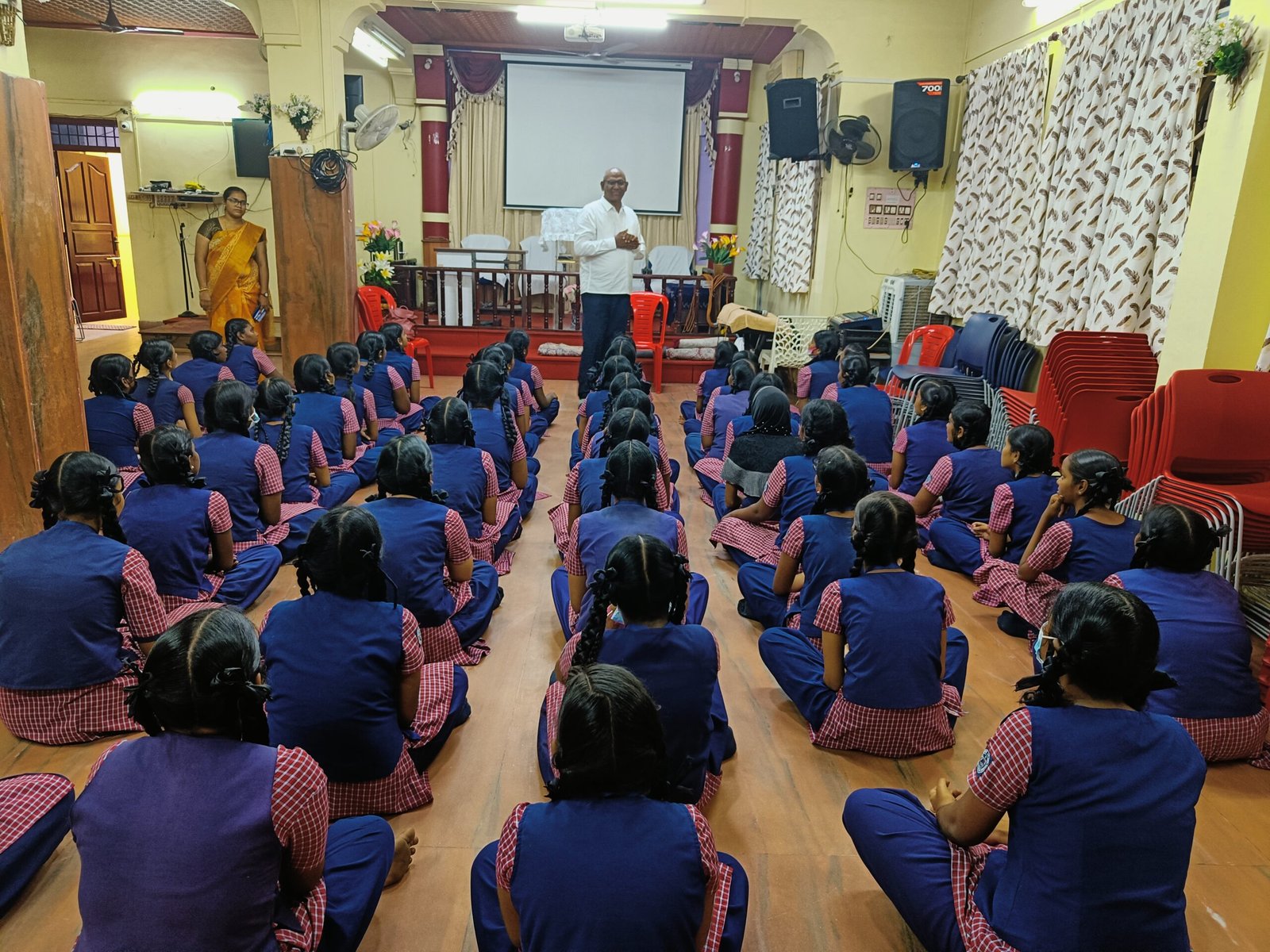
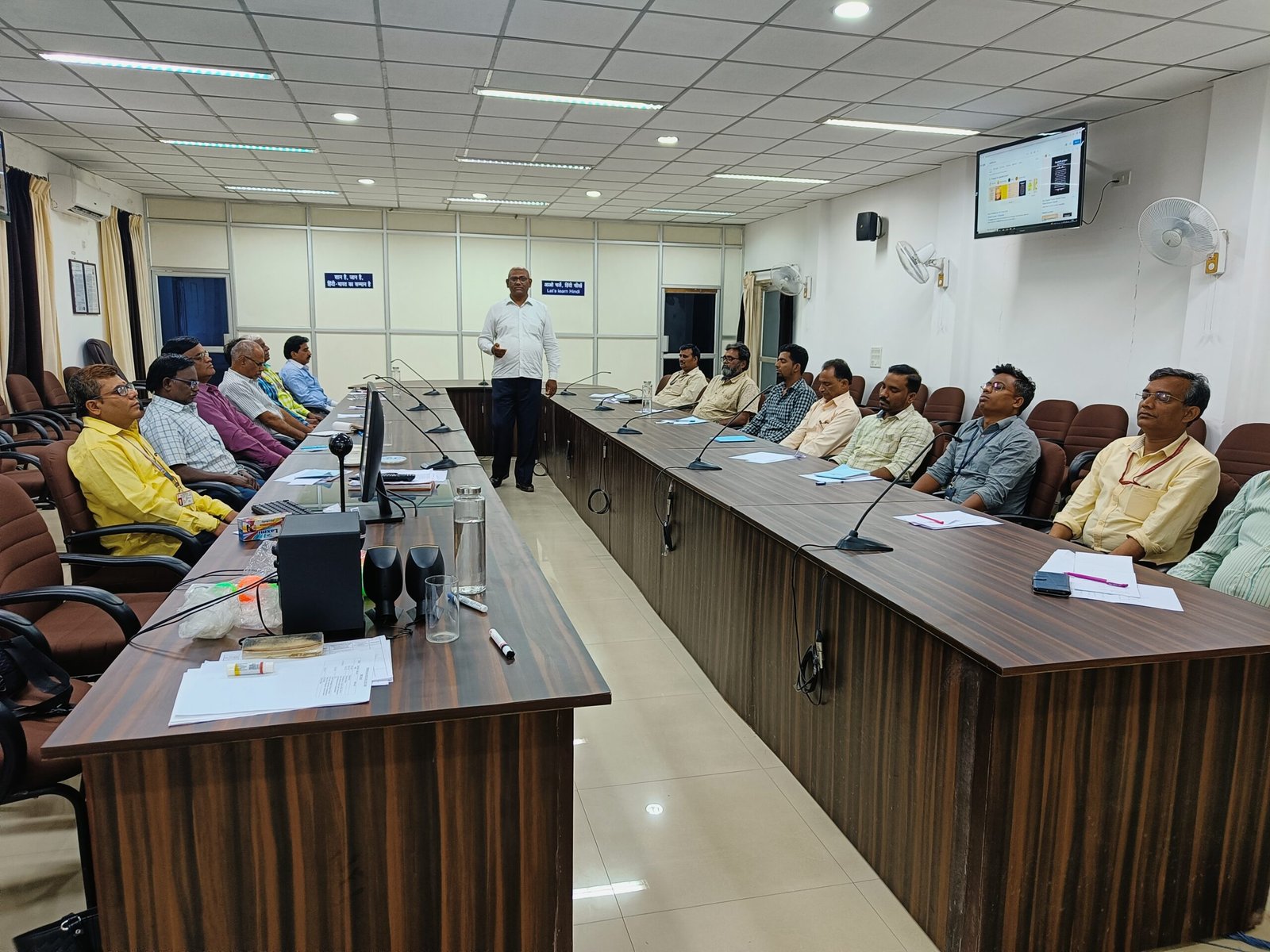
Group Photos & Training Highlights
Selected photos from training programs, colleges, corporates, and events.








More services: Counselling at Chennai • Training in Counselling
